How to Prepare Your AC for Homestead's Peak Cooling Season
Published: 2026-05-31 · By AC Repair Homestead Pros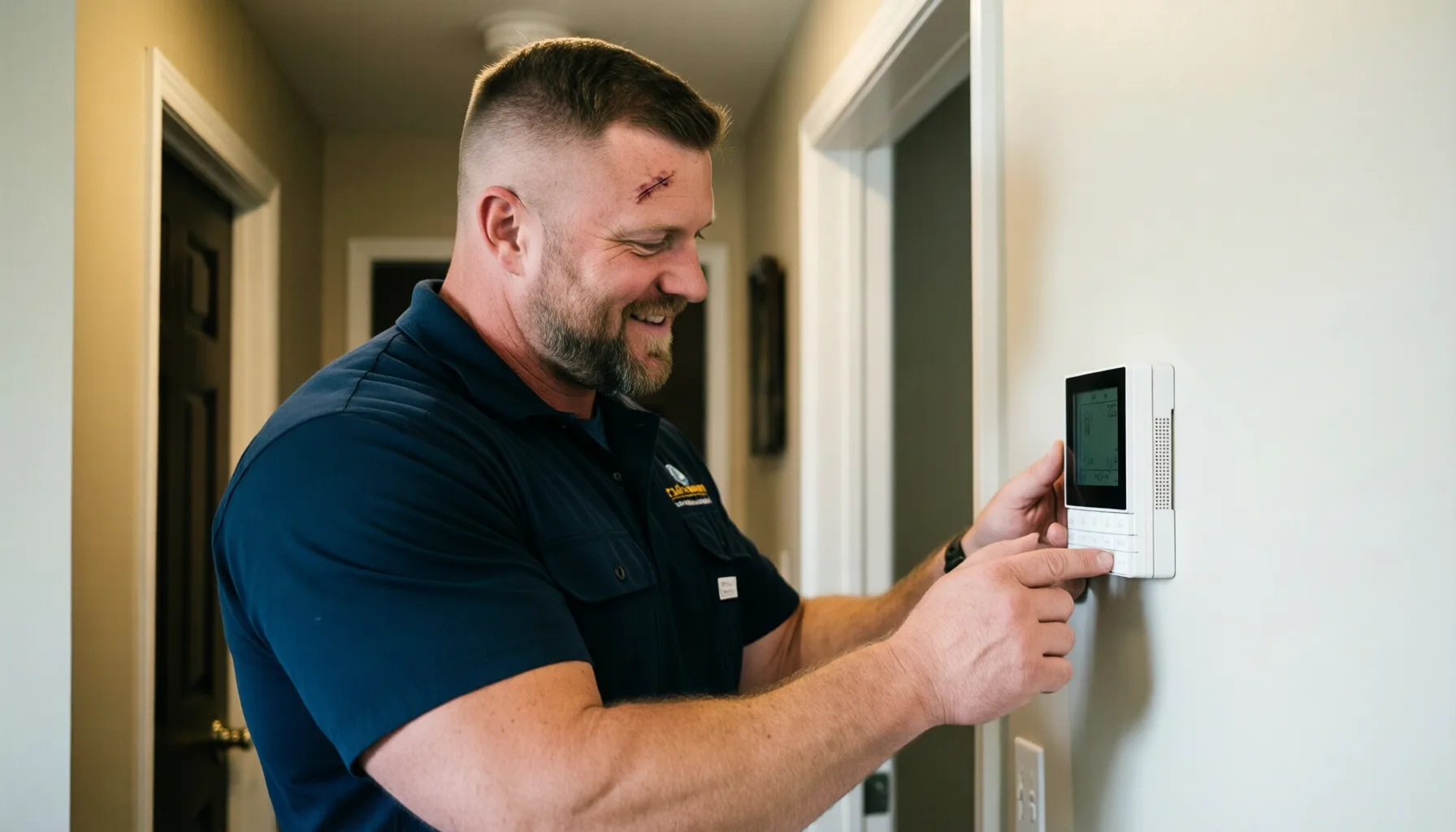
As the sweltering heat of summer descends upon Homestead, the fight against high humidity and relentless temperatures begins. Many homeowners don't realize how crucial it is to prepare their air conditioning units before the peak cooling season hits. Given our tropical climate, combined with the salt air that often leads to corrosion, your AC system requires special attention. An unexpected breakdown not only compromises comfort but also escalates energy bills, making it essential to ensure your AC is ready for the demanding months ahead.
Why This Matters for Homestead Homeowners
Residents of Homestead face unique challenges when it comes to air conditioning maintenance. The pervasive high humidity coupled with salt air can cause rapid degradation of HVAC systems, leading to inefficiencies or outright failures. The demands of cooling a home in a coastal environment intensify during peak summer months, often transforming your reliable AC into a ticking time bomb. If neglected, these systems can strain and eventually fail, resulting in costly repairs.
In addition to potential breakdowns, homeowners may experience a significant rise in energy costs if their units are running inefficiently. This becomes especially important as summer thunderstorms roll in, bringing humidity with them, creating the perfect storm for AC units to falter under pressure.
Ignoring routine maintenance not only accelerates wear and tear but can also void warranties, making timely preparation key to both performance and cost-saving.
Expert Solutions & Actionable Tips
1. Inspect and Clean Condenser Coils
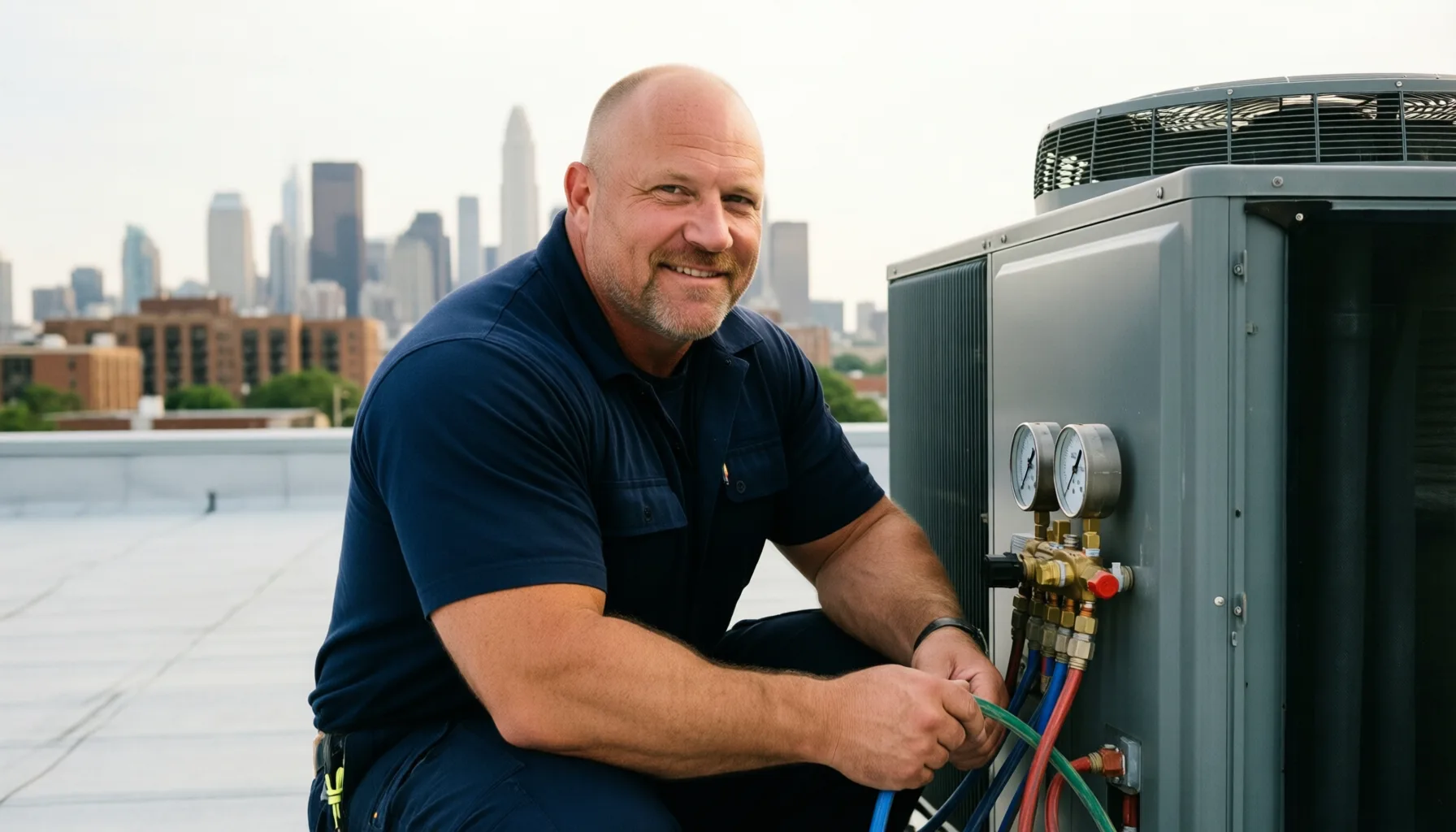
Your AC's condenser coils are critical for efficient cooling. Given Homestead's salty air, these coils can gather debris and corrosion quickly. In early spring, budget around $100 to have them cleaned professionally or, if you choose to do it yourself, invest in a coil cleaner and spend a couple of hours carefully scrubbing them down.
Neglecting this task can reduce cooling efficiency by up to 30%, forcing your unit to work harder and consume more energy, ultimately leading to higher bills.
2. Change Air Filters Regularly
Air filters should be checked every month, especially in humid environments where mold can develop quickly. A fresh filter costs about $10 and ensures your AC doesn’t have to work excessively. Replace your filter at least every three months, or monthly if your household includes pets or allergens.
Dirty filters can lead to airflow restrictions and may increase wear on your system, which is especially detrimental in Homestead's climatic conditions.
3. Inspect Ductwork for Leaks
Given that many homes in Homestead use elevated designs with moisture barriers, inspecting your ductwork can ensure cool air reaches all rooms effectively. You can hire a professional for around $200-$300 to assess and seal any leaks that might be present, or do a quick visual inspection yourself.
Unchecked leaks can cause up to 30% of cool air to escape, raising energy bills significantly and leading to uneven cooling throughout your home.
4. Schedule Seasonal Maintenance
Price estimates for seasonal maintenance in Homestead usually hover between $75 and $150. This service can preempt potential problems by ensuring your unit is ready for a demanding cooling season. Technicians will check refrigerant levels, inspect mechanical components, and make necessary adjustments.
Regular maintenance can extend the lifespan of your AC unit by years and save you from unexpected breakdowns during peak usage.
5. Prepare for Storms with a Secure Installation
With tropical storms a common occurrence in the summer, ensure your AC unit is properly installed with adequate support. Costs can vary widely, approximately $200-$500 for reinforcements. Secure installations protect your unit from storm damage, preserving both functionality and warranty.
Checking the integrity of your system can prevent severe weather from becoming a financial burden.
6. Monitor Thermostat Settings
Smart thermostats can adapt to your cooling habits and help you save energy. Investing in a smart device, typically around $150, allows you to program temperatures that suit your schedule, significantly reducing energy costs. In humid conditions, not overworking your AC is vital.
Having control over your cooling preferences also means your AC won't need to compensate as much, ultimately leading to a more sustainable performance.
Homestead Climate & Local Context
Homestead’s tropical climate presents unique challenges for air conditioning systems, particularly due to its high humidity and proximity to the saltwater coastline. Properties are often elevated, which helps to mitigate moisture problems, making the condition of your AC unit even more vital. This local insight shapes the building stock, as many homes are designed to handle the intense Florida weather.
Local building codes may also dictate specific maintenance practices for HVAC systems. Regular updates in regulations promote energy efficiency and safety, compelling homeowners to stay informed on these requirements. Permits for significant alterations to HVAC systems can add additional layers of complexity, thus acknowledging these factors is crucial.
When to Call a Professional
When faced with AC issues, the decision to DIY or call a professional depends largely on the problem at hand. While some tasks can be effectively handled by homeowners, others require the expertise of skilled technicians. For instance, changing filters or monitoring thermostat settings can be straightforward tasks that most can manage without assistance.
However, pay attention to red flags that indicate the need for professional intervention:
- Strange or loud noises coming from the unit.
- Foul odors or strange smells when the AC is running.
- Significant drops in air conditioning efficiency.
- Water pooling around the unit.
- Unfamiliar error codes on your thermostat.
- Airflow discrepancies in different rooms.
- Increased energy bills without a change in usage.
Understanding where to draw the line between DIY fixes and professional service can maintain the lifespan of your AC unit while ensuring that your home remains cool and comfortable during the summer months.
Frequently Asked Questions
What are the common signs that my AC needs maintenance?
Common signs include unusual noises, poor airflow, and increased energy bills, especially prevalent in Homestead's humid climate.
How often should I replace my air filter?
In Homestead, it's recommended to check your air filter monthly and replace it every three months or sooner if you notice it clogged.
What can I do to prevent AC problems during tropical storms?
Secure your outdoor units and ensure proper installation to minimize damage from intense storms common in Homestead.
How long should my AC unit last?
Typically, an air conditioning unit can last 10-15 years, with regular maintenance playing a key role in extending its lifespan.
Is it worth getting a smart thermostat?
Absolutely! A smart thermostat can optimize your home's cooling schedule, which is particularly beneficial for managing Homestead's energy costs.
Get Expert Air Conditioning Repair Service in Homestead
As Homestead gears up for another humid summer season, ensure your air conditioning is fully prepared for the challenge. Don't take chances with your comfort—contact AC Repair Homestead Pros for professional assistance today.
Your local experts are dedicated to keeping families comfortable and safe through every sultry day. Call now at (786) 386-4549.